Participated in Zero Travel Tour Demonstration Experiment in Shiojiri City, Nagano Prefecture
Recently, we conducted a demonstration experiment for "Zero Travel," which has been frequently introduced on this site.
Despite the current circumstances, our company employees participated as staff, so please take a look at the situation.
What is Zero Travel
The "Regional Decarbonization Roadmap" announced by the government aims to achieve a decarbonized society by 2050. Among these, the government emphasizes the "Zero Carbon Drive" as a key initiative to eliminate CO2 emissions during travel.
In general travel, "movement" is always involved. Particularly in the case of automobiles, CO2 emissions are inevitably produced during this process. Zero Travel was developed in collaboration with our partners to eliminate these emissions and provide a program where participants can learn environmentally friendly initiatives.
Our company has been repeating experiments up to this point. This time, we are conducting a commercialization experiment with the support of the travel agency Japan Travel Co., Ltd. and with participation from local residents.
Reference Article: [Press Release 2021.06.21] Experimenting with a new mode of transportation "Zero Travel" in Kumano during the decarbonization era
Tour Start
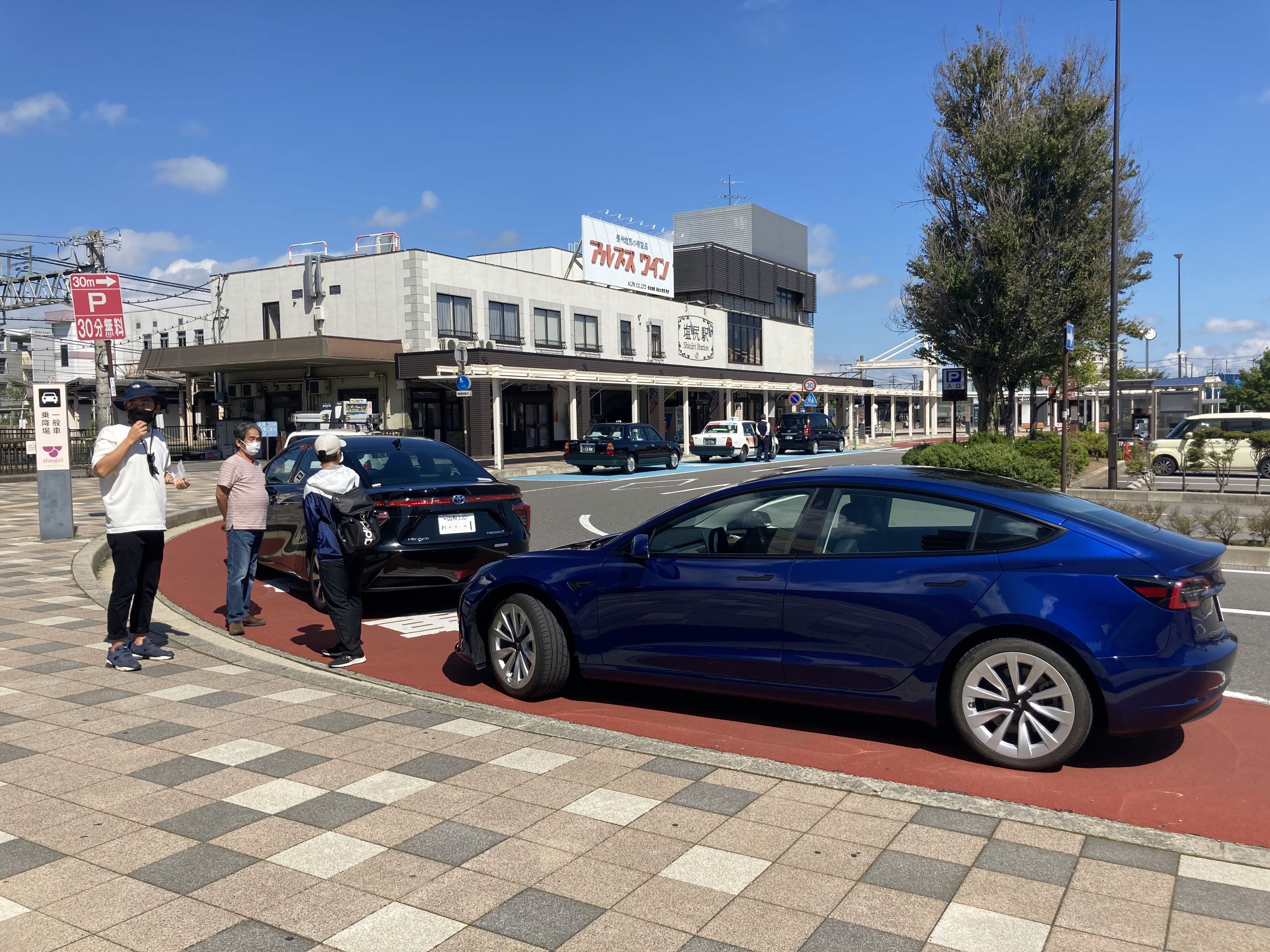
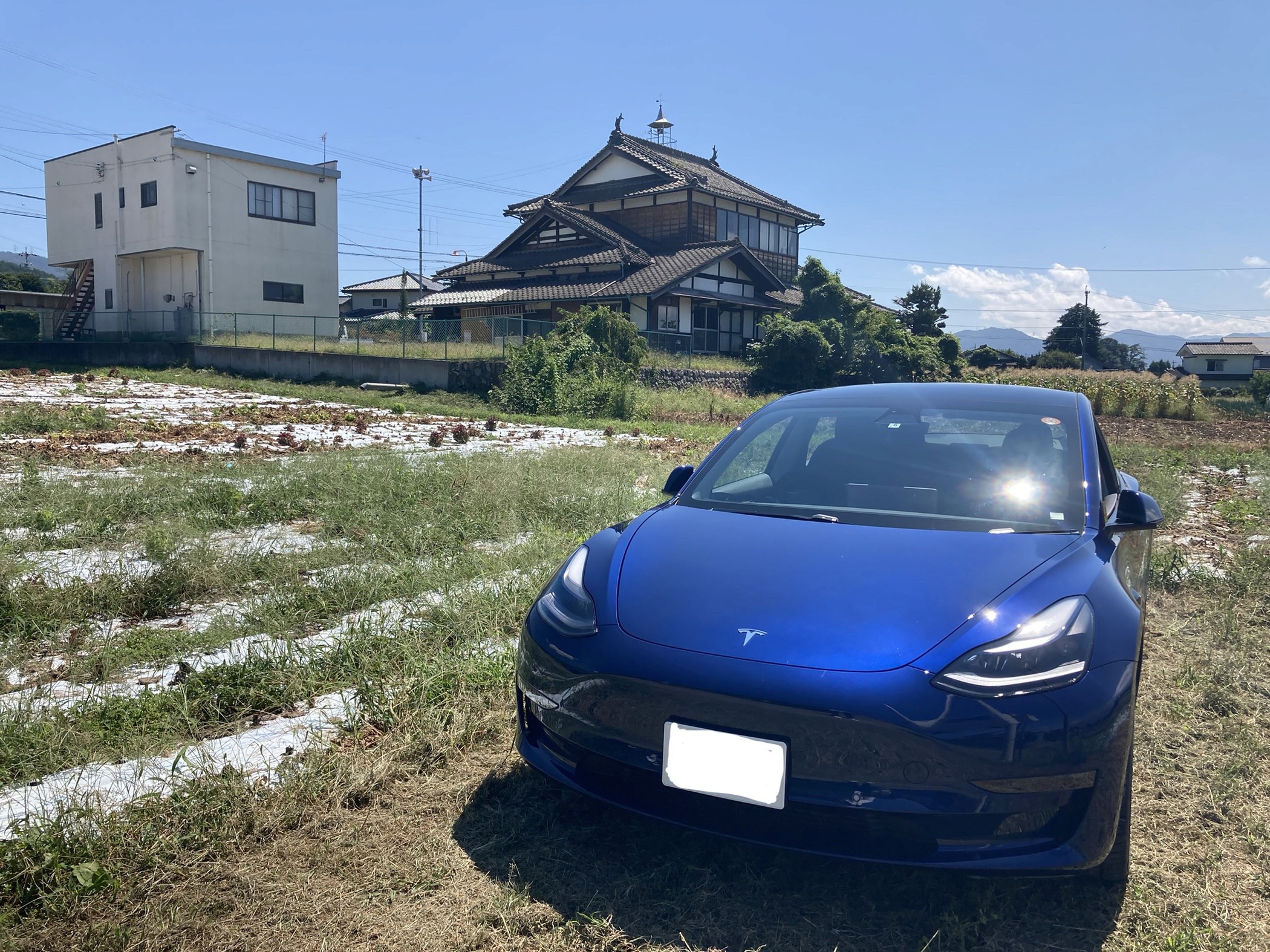
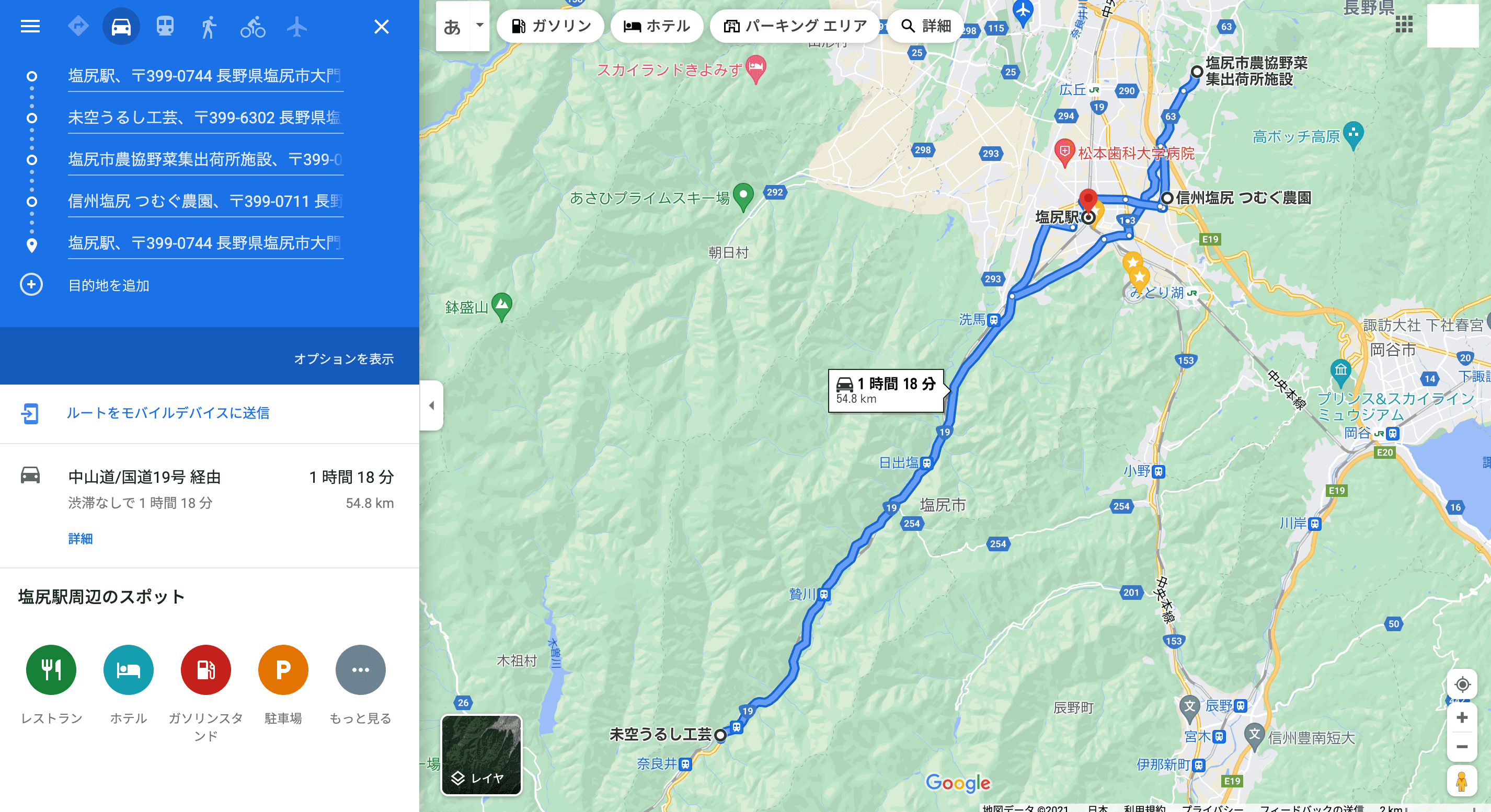
At 10 AM, participants, tour leaders, and staff gathered at JR Shiojiri Station. The movement during this Zero Travel will be conducted using electric vehicles (EVs) and fuel cell vehicles (FCVs). We are also utilizing our Tesla Model 3.
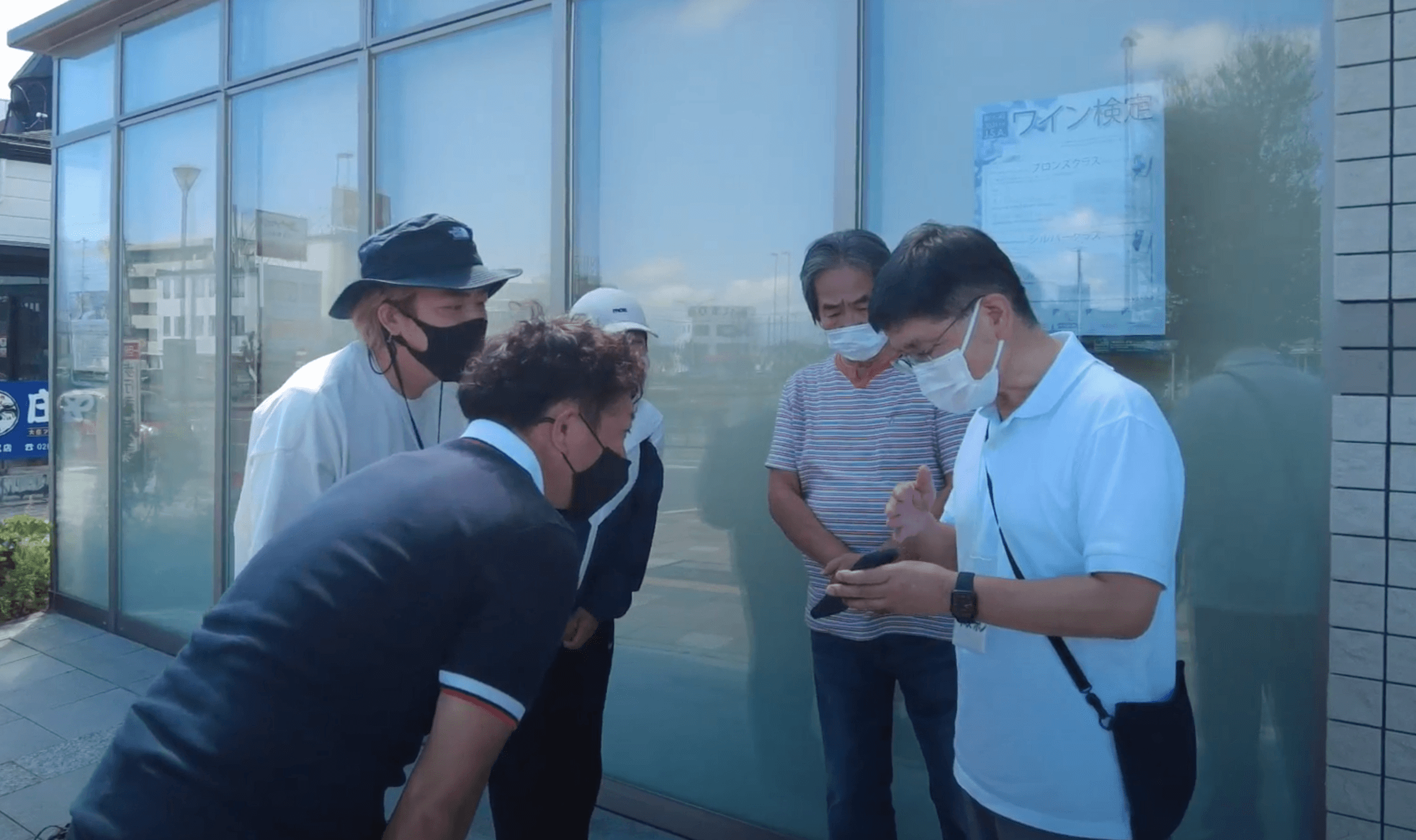
Before departure, we will first explain the purpose to the participants. We will carefully explain what a decarbonized society is and why Zero Travel is needed. There were questions from participant attendees.
That is indeed a sharp question. In fact, strictly speaking, the electricity charged into EVs may sometimes come from grid electricity. In such cases, the method of "offsetting" renewable energy generated somewhere according to the usage is employed. This time, we will use a system developed by our partners that utilizes blockchain to trade renewable energy values in real time.
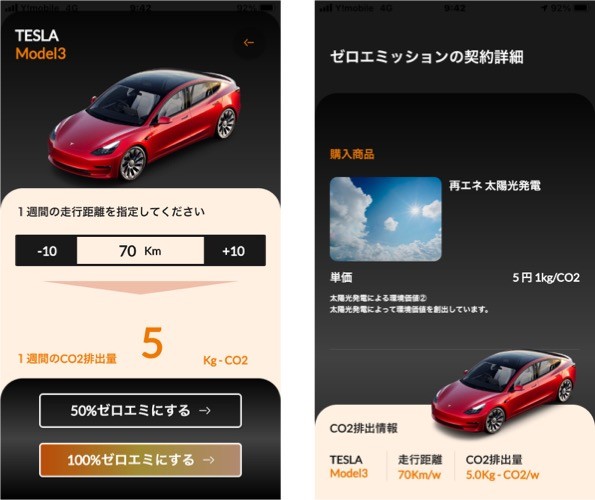
Actually, our company has also been involved in the development of this system.
First Tour Spot: Miku Urushi Crafts
After departing from the station, the group headed to the mountainous town of Kiso Hirasawa. It takes about 30 minutes from Shiojiri Station. This place has been famous for its lacquerware production for a long time. The first stop is a lacquerware workshop located here.
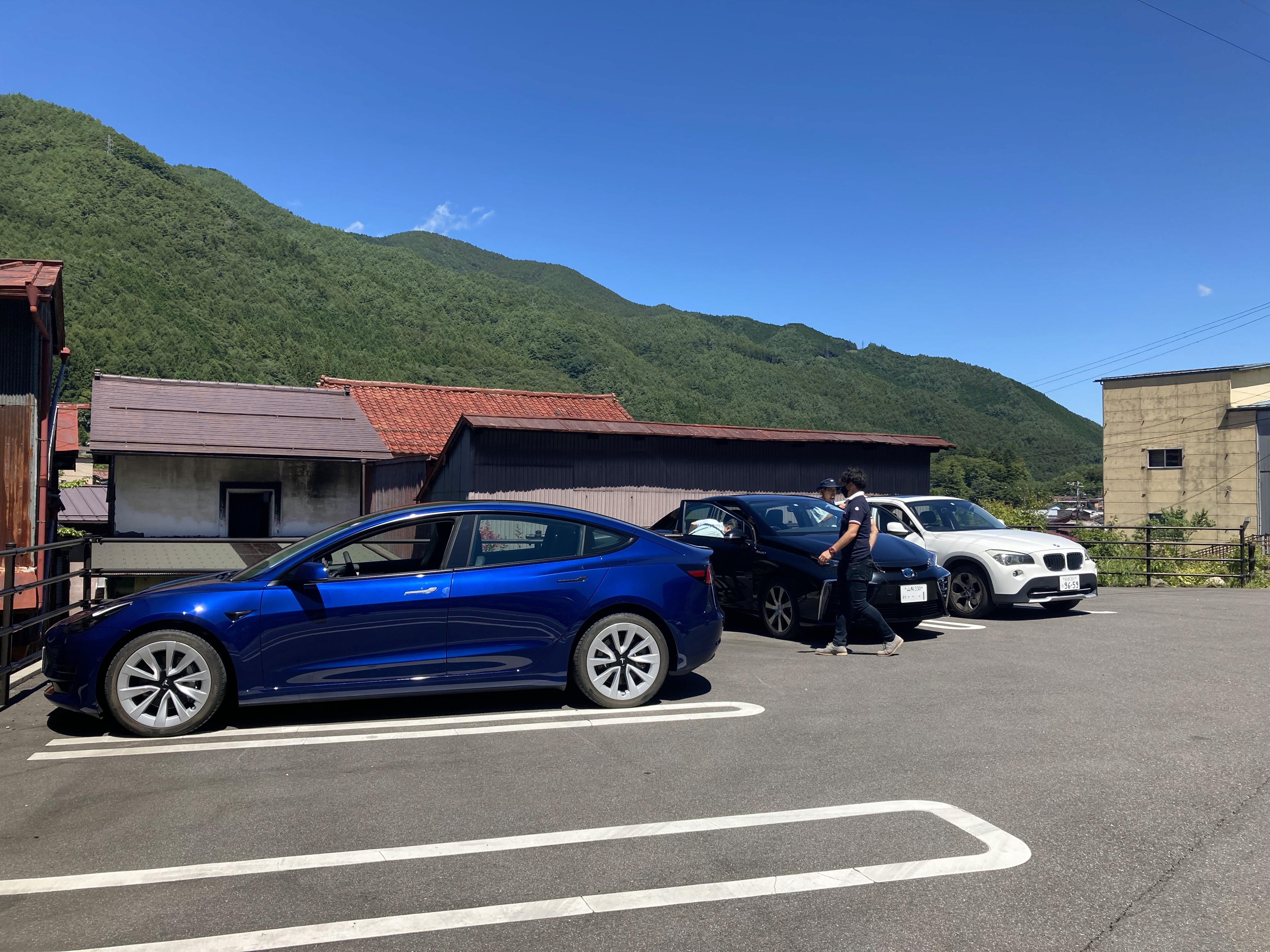
The owner of this workshop is currently in their 40s, making them the youngest in the industry. The craftsmen of lacquerware are aging year by year, and succession is becoming an issue.
We were moved by their thoughts on how they engage with lacquerware, what the crafting of lacquerware involves, and how they wish to develop the lacquerware town of Kiso Hirasawa in the future. There was a heartfelt discussion on how to protect traditional industries in the region.

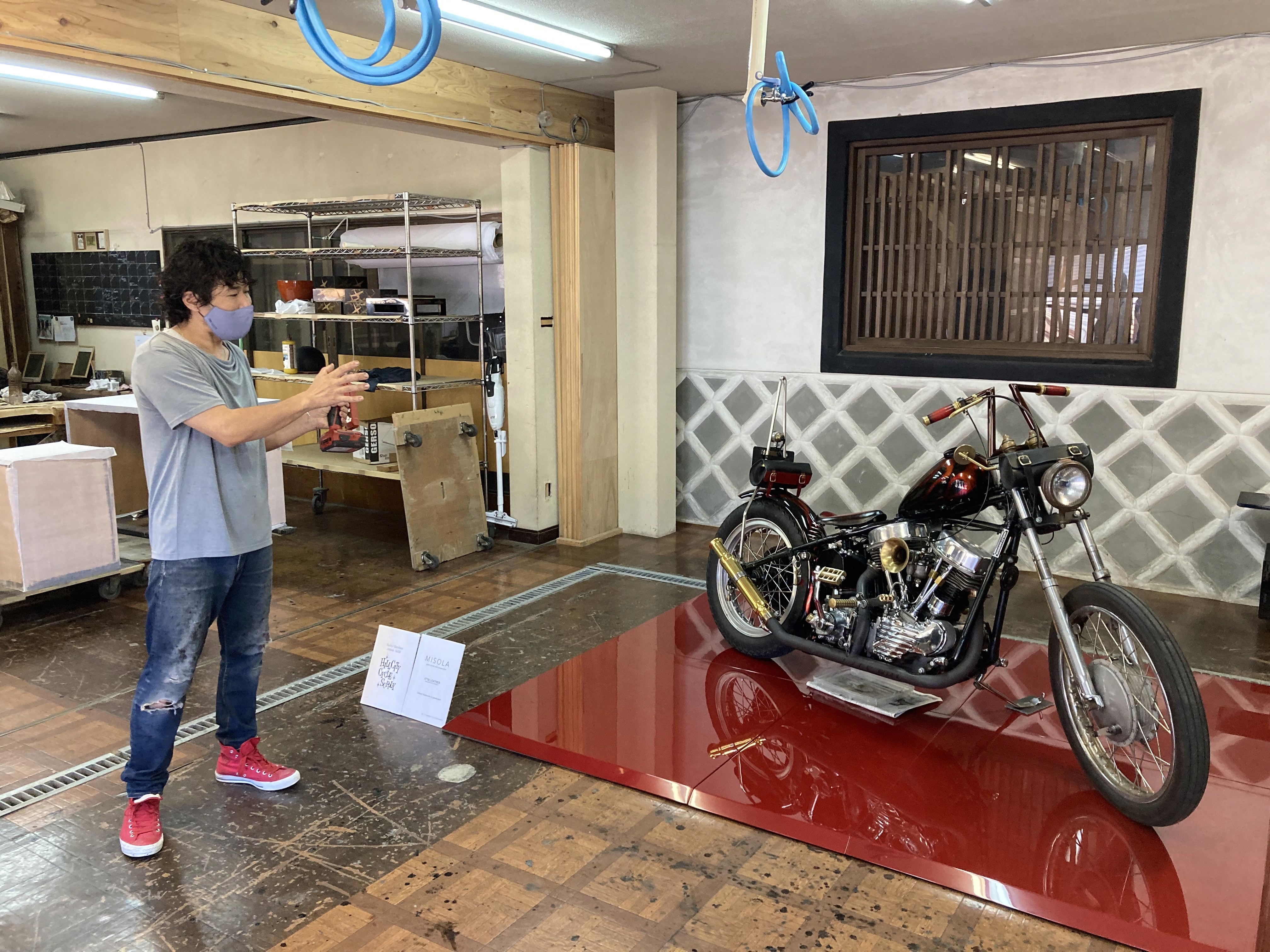
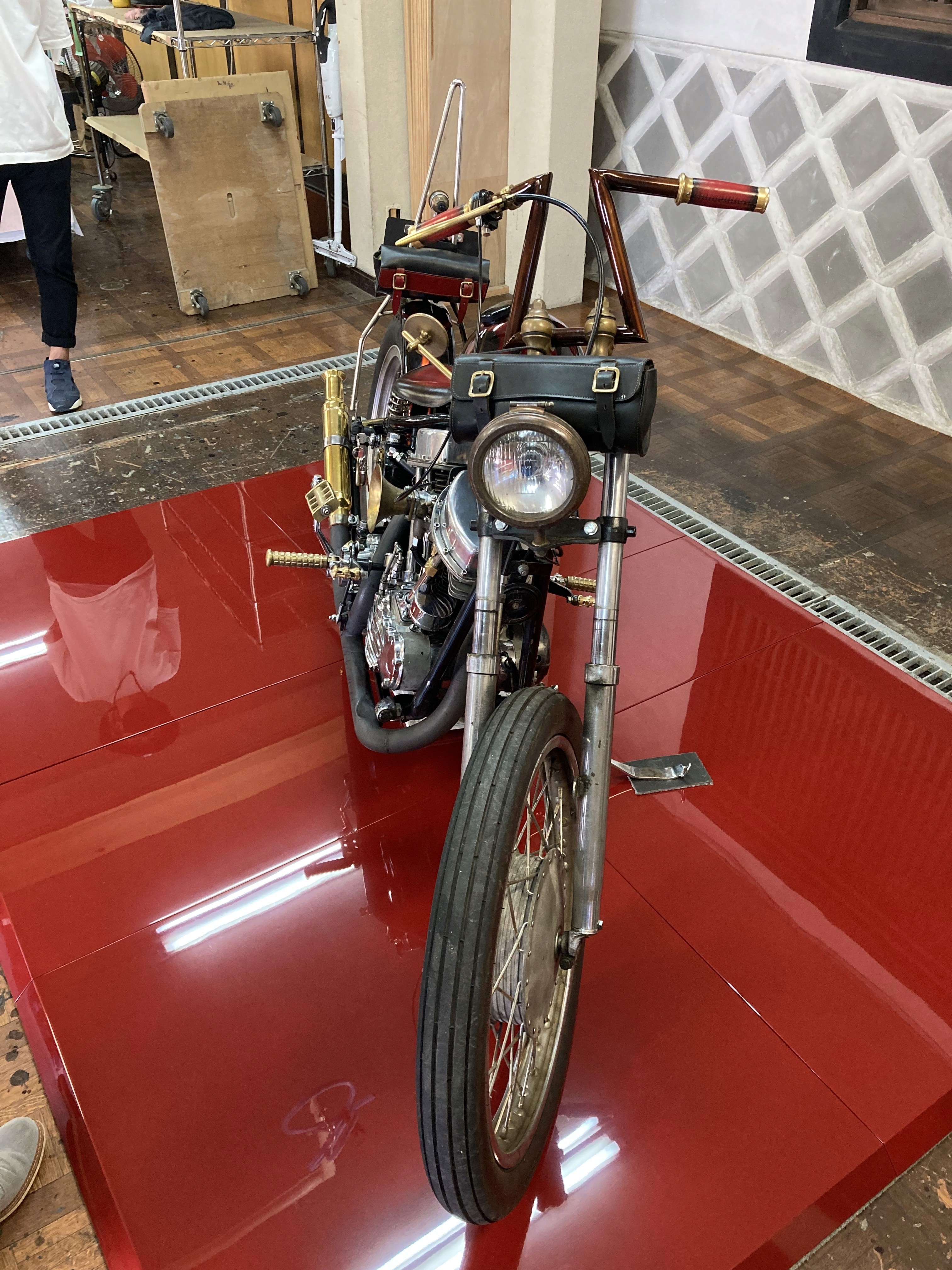
*Lacquerware is used as a component in Harley-Davidson. It is impressive.
Second Tour Spot: Ebisoa Farm and Tsumugu Farm
Next, we visit local farmers to enjoy delicious Shinshu vegetables.
At Ebisoa Farm, we will experience harvesting sunny lettuce, and at Tsumugu Farm, we will experience harvesting corn.
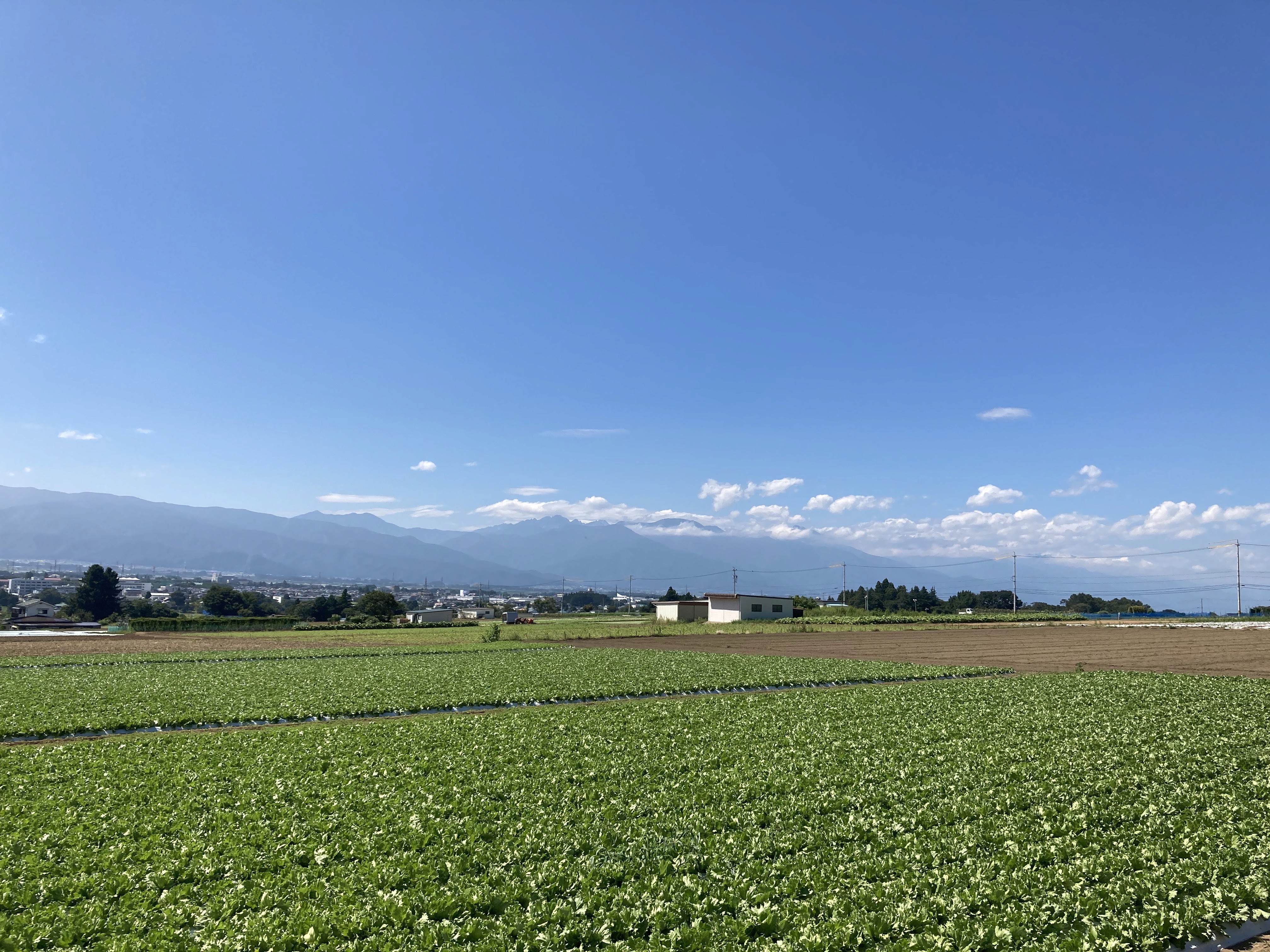
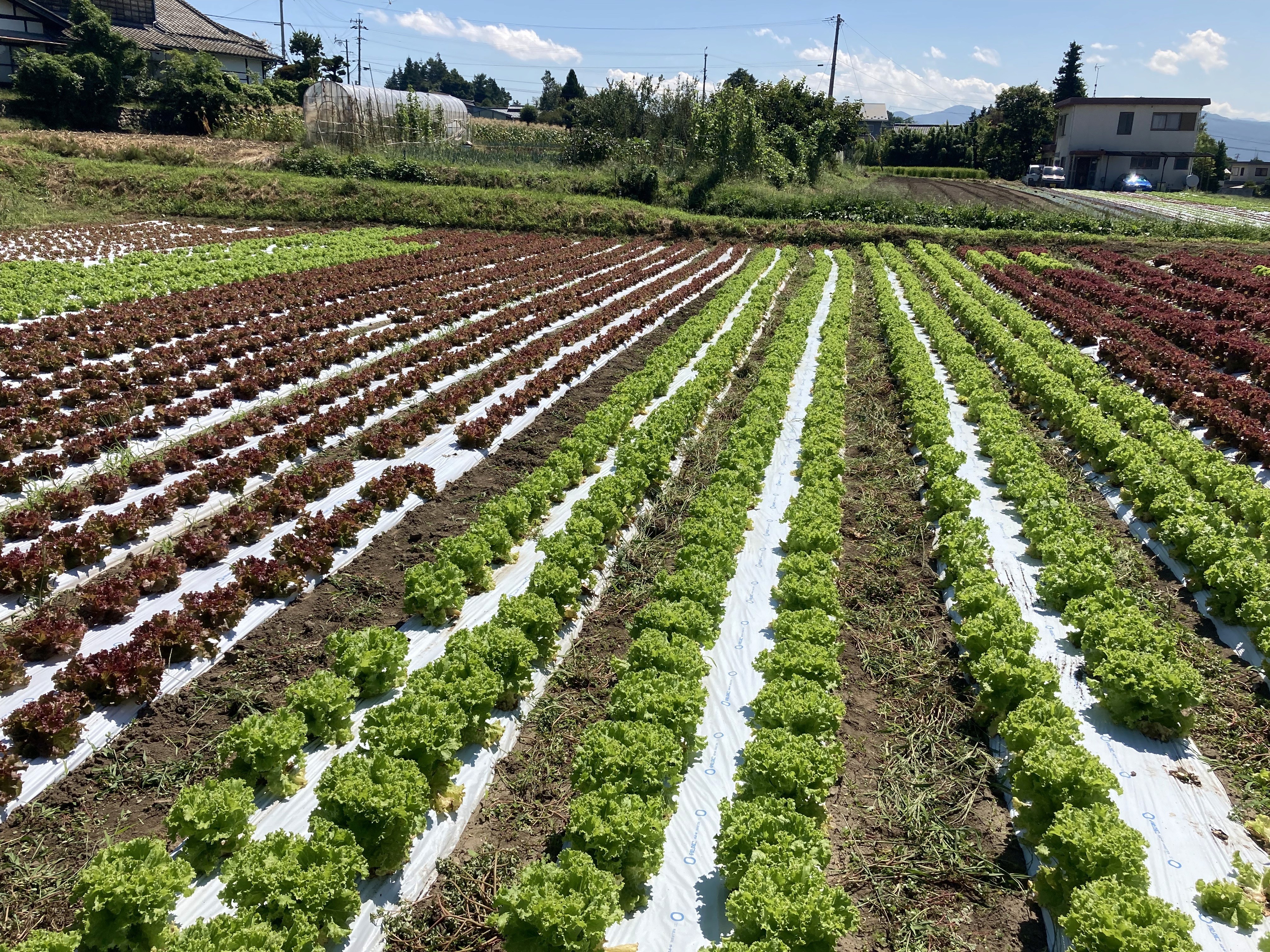
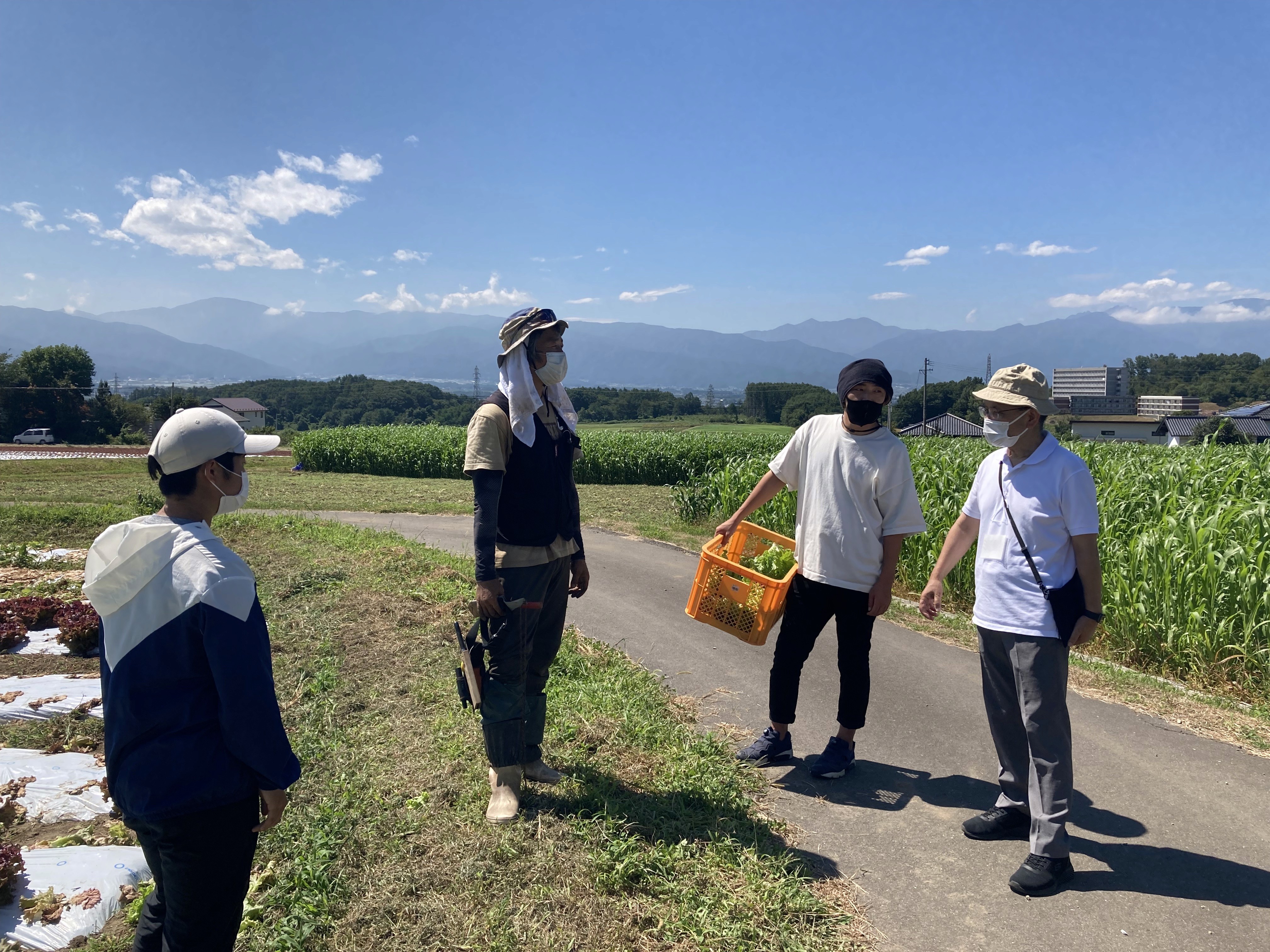
*A spectacular view of the Northern Alps can be seen from the fields.
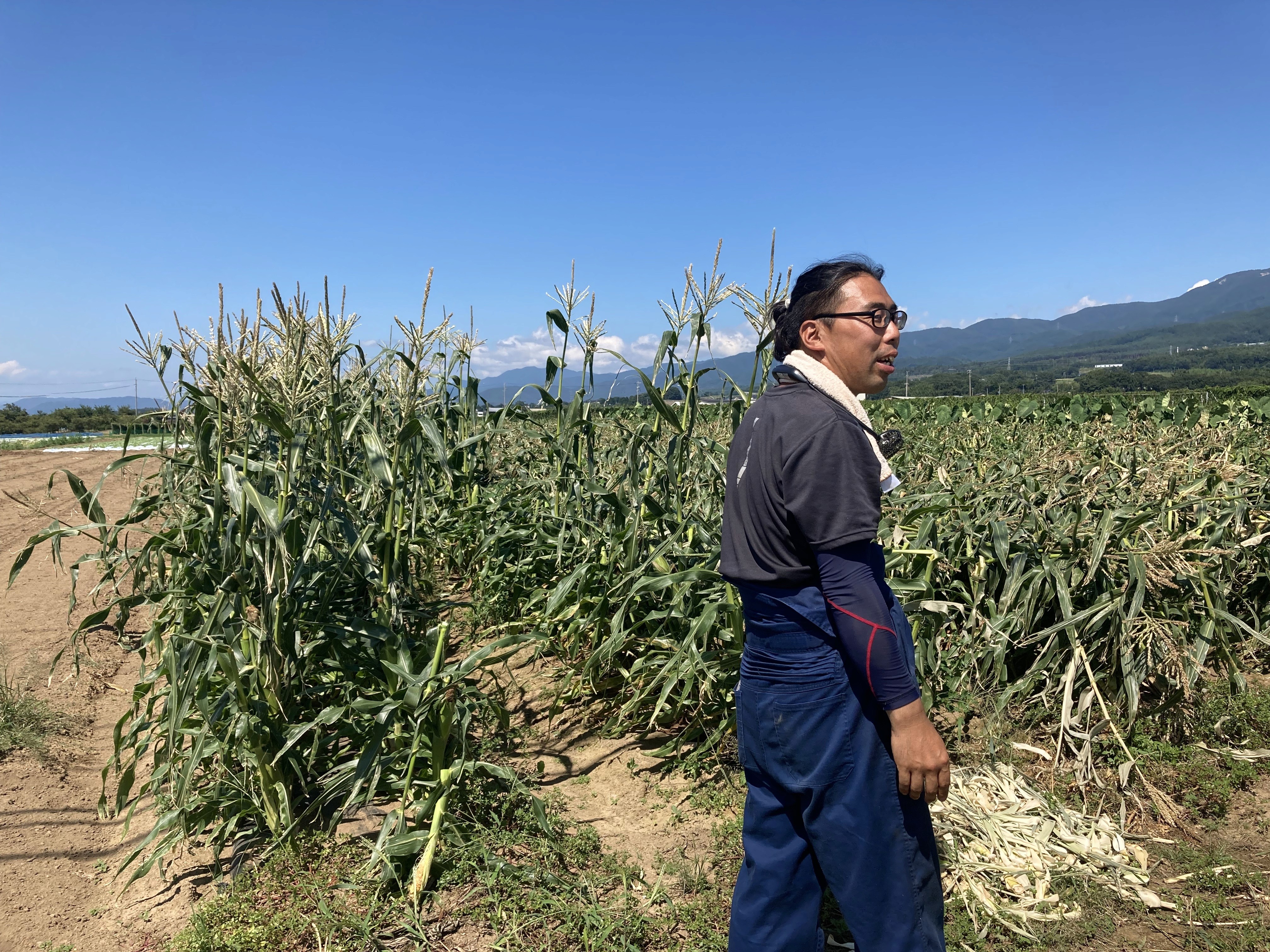
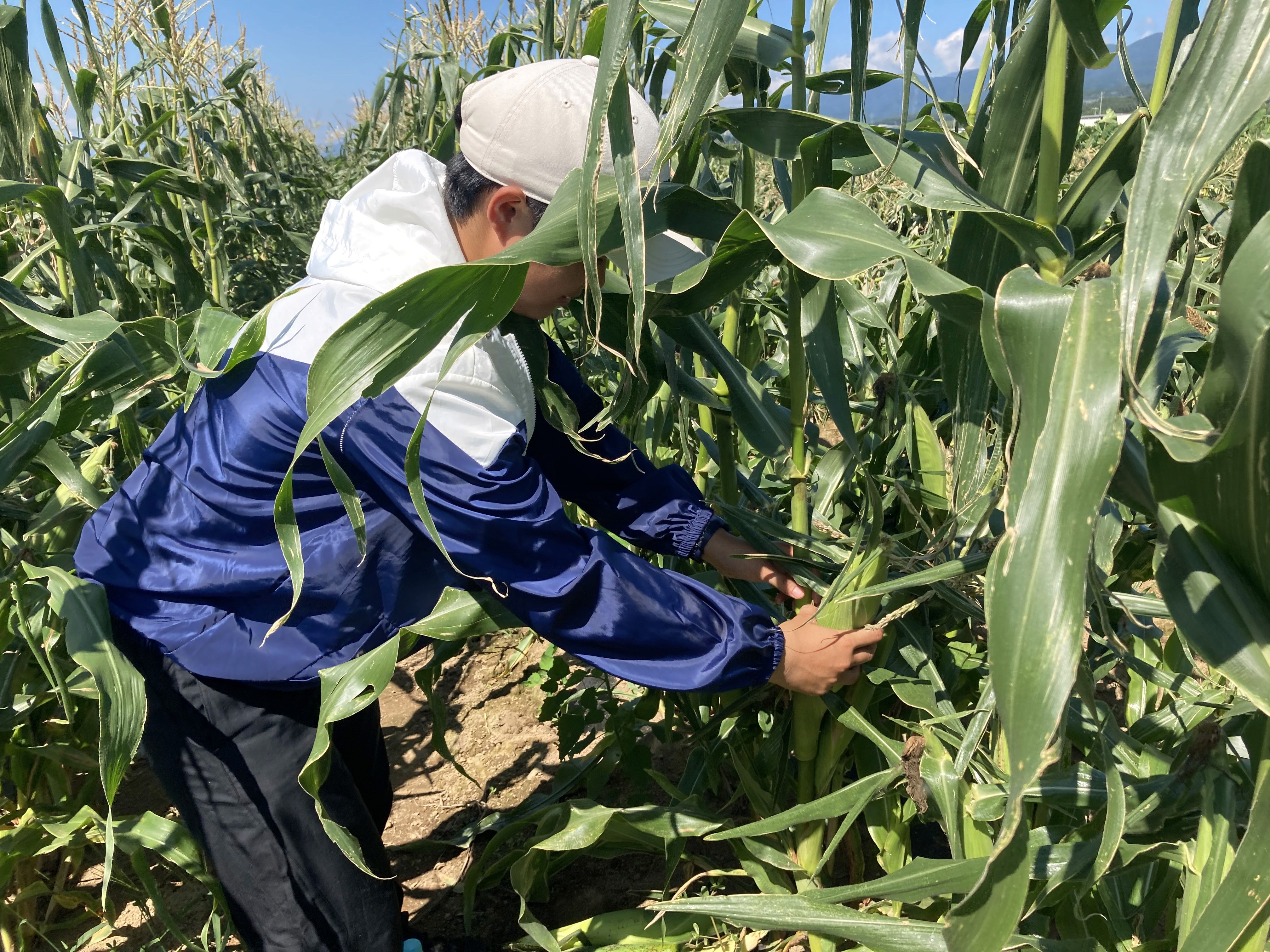
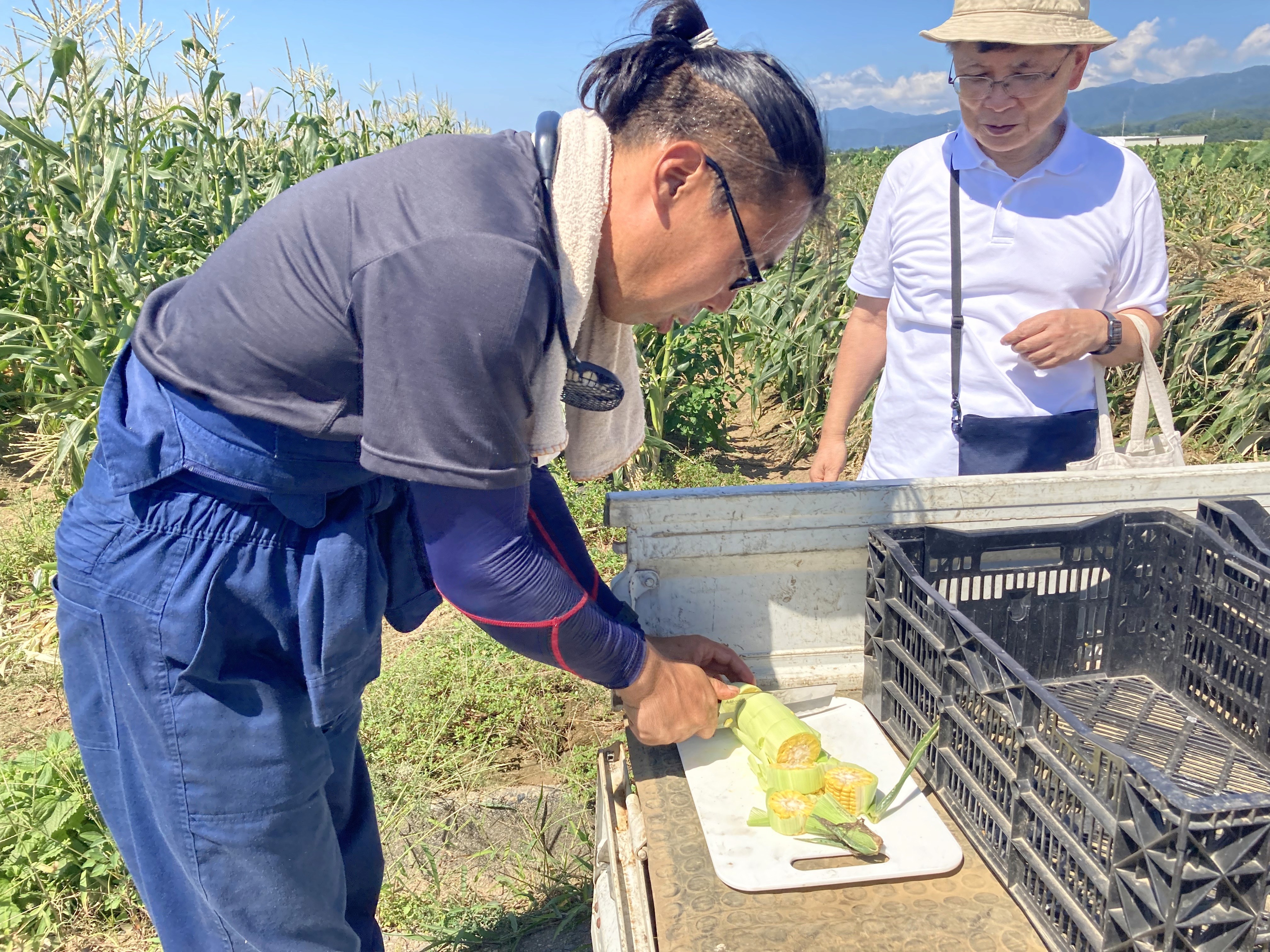
*The fresh and high-sugar corn from Tsumugu Farm can be eaten raw.
Third Tour Spot: Lunch, BBQ
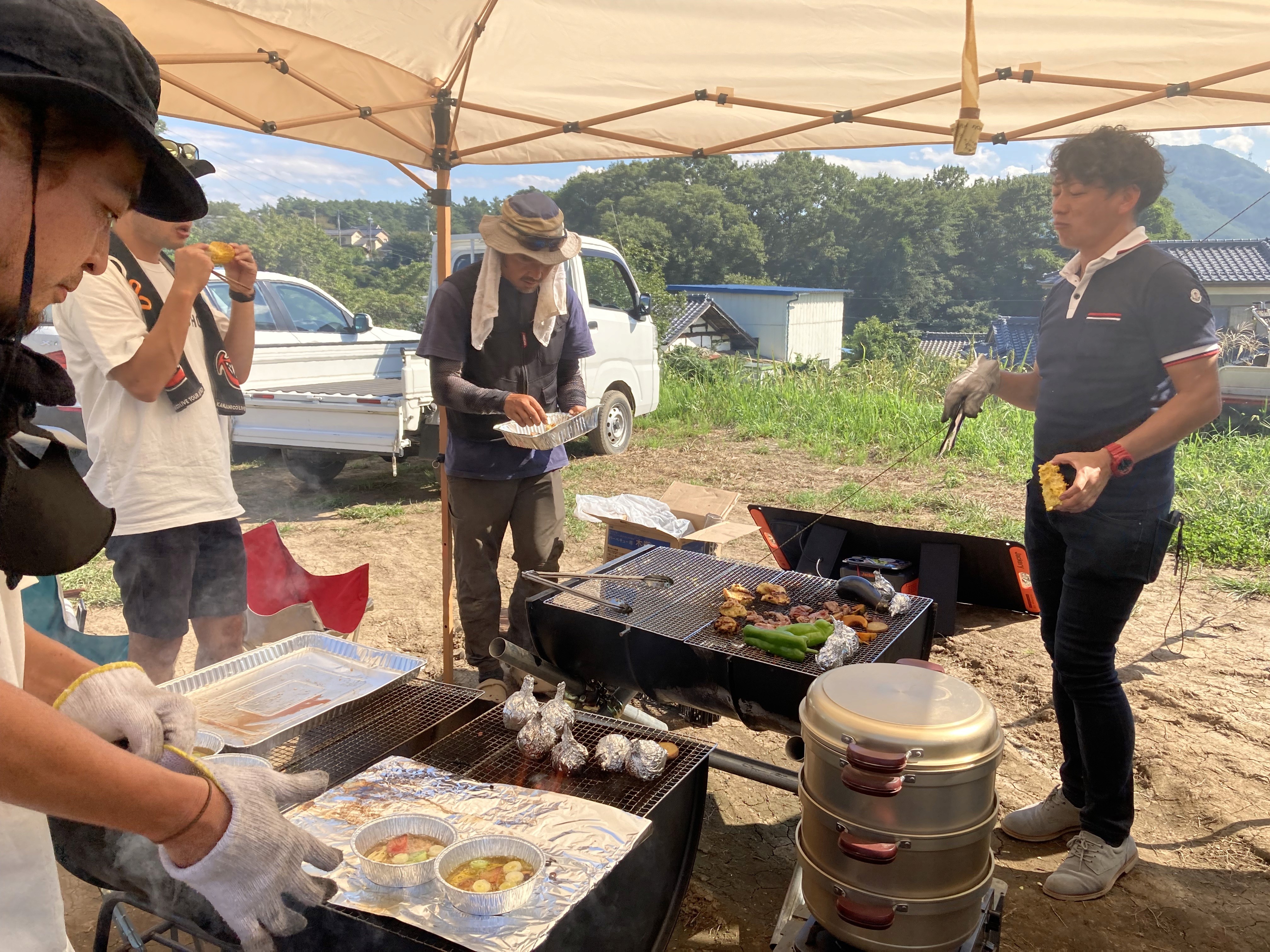
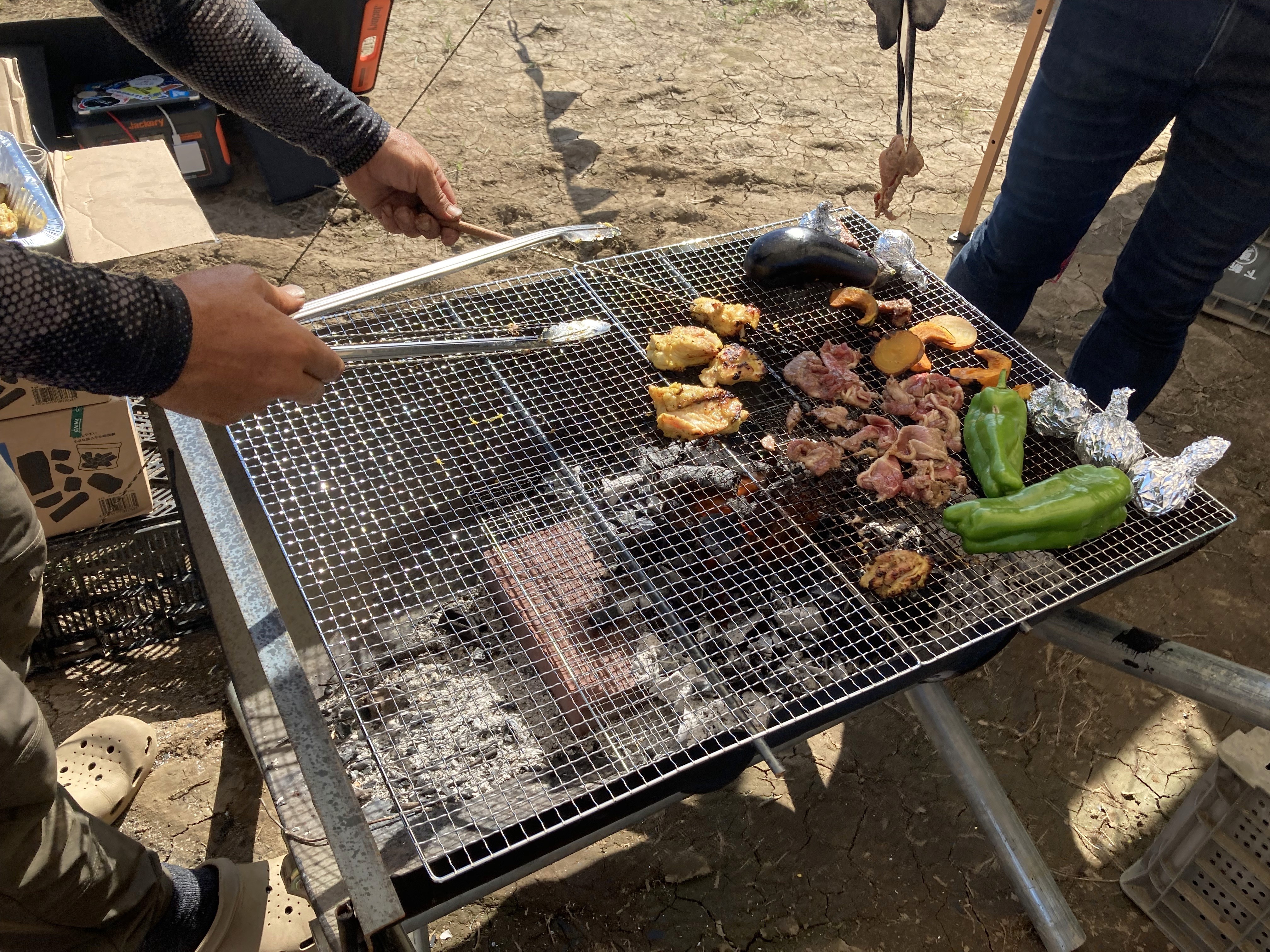
The harvested vegetables will be enjoyed right away in a BBQ. Freshly picked vegetables are indeed delicious and look fantastic.

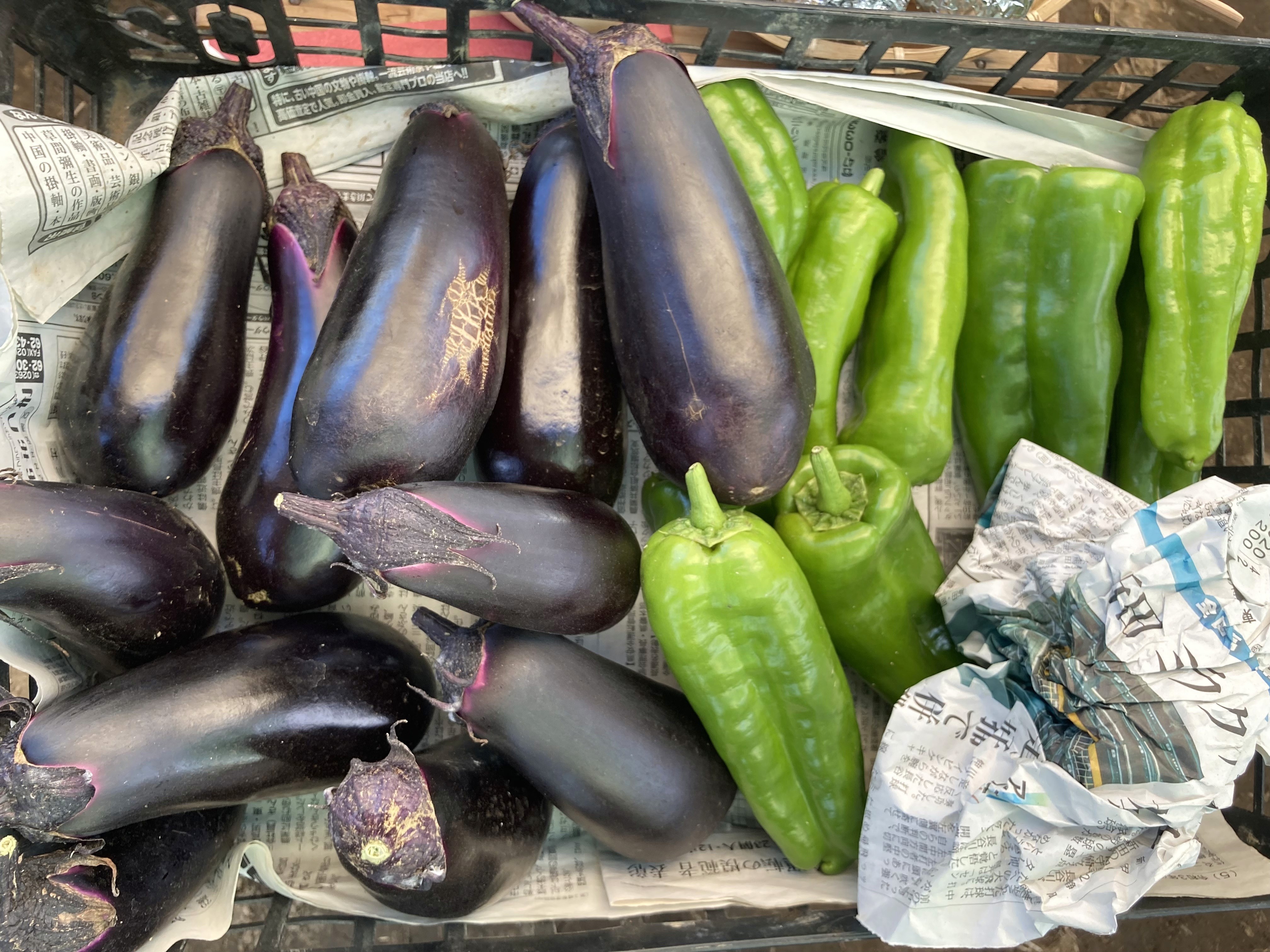
Due to infection control measures, we maintained enough distance and enjoyed it outside in a well-ventilated area.
Participants' Feedback
From participants who experienced traditional industries unique to Shinshu and highland vegetable harvesting,
The sound during movement was quiet compared to gasoline vehicles.
I was able to understand the new tourism that considers the environment.
We received such comments.
On the other hand, since there is a fee for trading renewable energy values, Zero Travel is expected to be slightly more expensive than regular tours. In response to this,
If it’s about 10% more expensive than a regular tour, that’s fine.
It depends on the content, so I don't know.
We received honest opinions. These are very valuable insights in considering commercialization.
Conclusion
The total travel distance for this tour was 55 km within Shiojiri City. When calculating the allocated renewable energy value from that distance, the result was contributing to a reduction of 6 kg of CO2.
There are still many challenges to overcome in aiming for commercialization, but in addition to driving EVs towards the decarbonized society that is coming, insights on mechanisms such as efforts to exchange renewable energy values have been accumulated. We will continue to conduct research towards practical application.
Thank you to all participants and staff for your hard work!!